What makes the game unique
Nothing here is left to chance. What decides is the wind, another rider’s wheel and the bottle you save for the right moment. Here is how the rules replace luck, who the game suits, and who it will not.

What replaces the dice
In a classic racing game, the die tells you how far to move. In Mind Cycling, you decide, within limits everyone can see. Here is what moves the riders.
In other racing games: The die tells you how far to move.
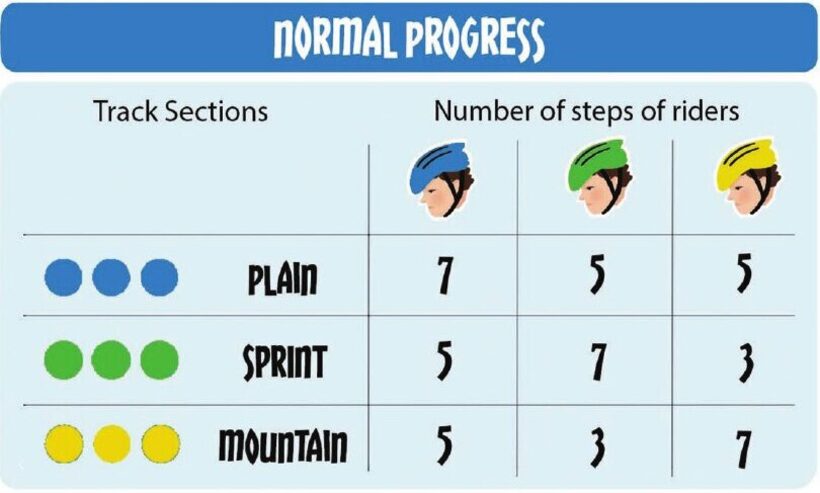
In Mind Cycling: The memo card
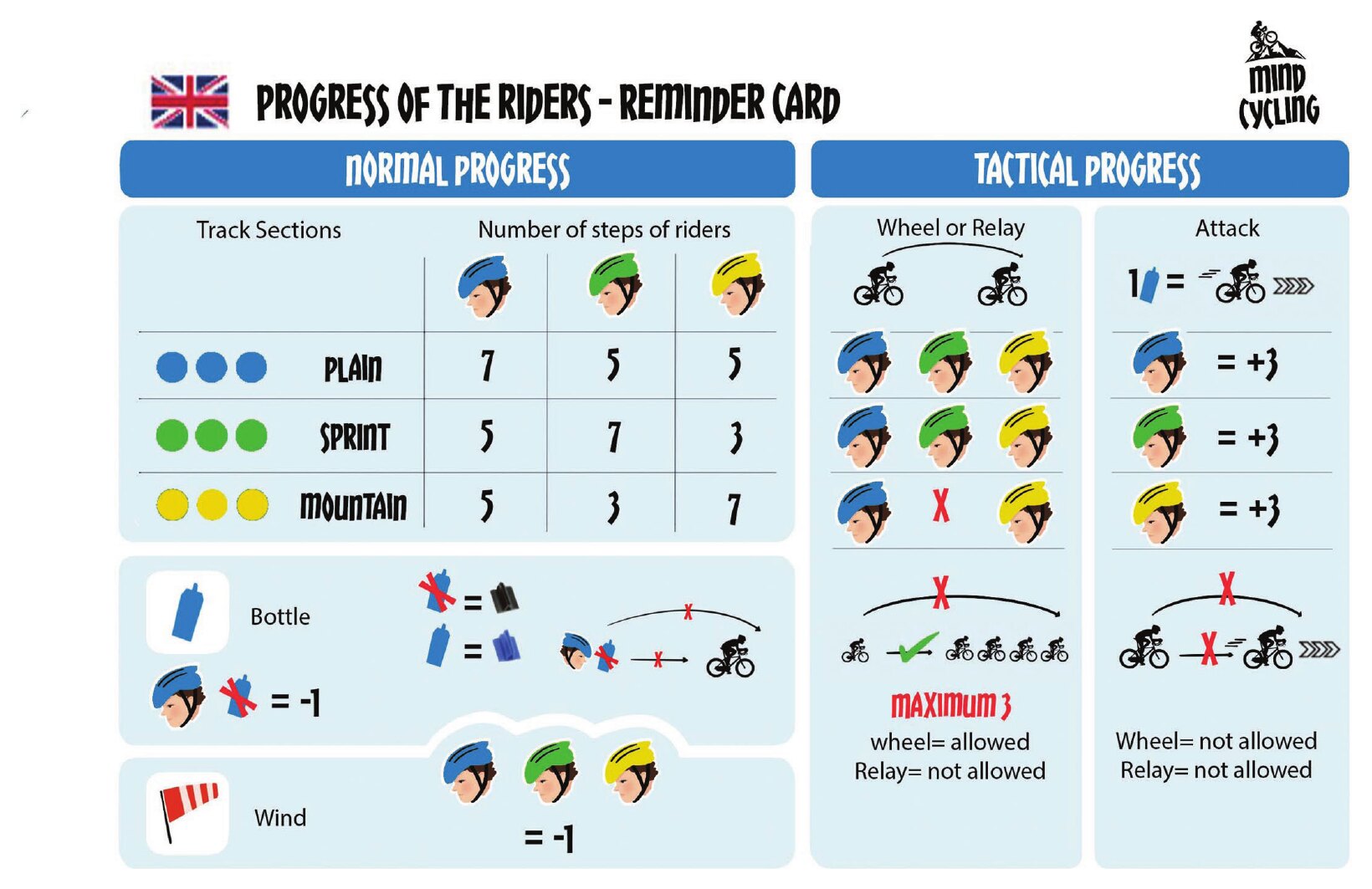
Each rider has his own speed, depending on the section: 7 squares for the rouleur on the flat, for the sprinter in the sprint, for the climber on the climb. You choose how many you take, up to that maximum.
In other racing games: One bad roll, and you are dropped.
In Mind Cycling: The wind token
With nobody on the square just ahead of him, a rider takes the wind: one square less. The token goes down before the turn, and everyone can see who is about to pay.
In other racing games: One lucky draw, and the slowest rider gets back on.
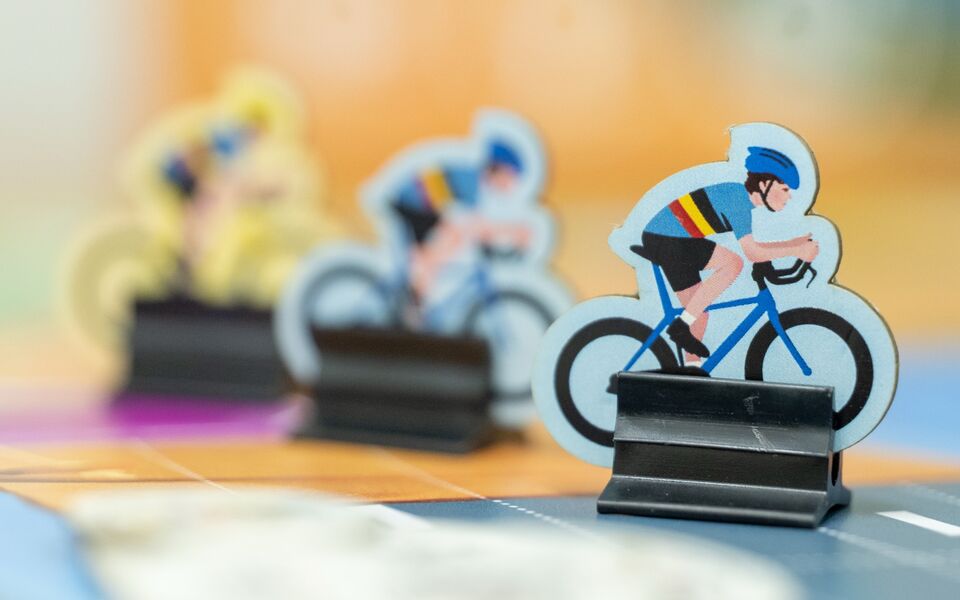
In Mind Cycling: The train
On another rider’s wheel, a rider moves at the speed of the one he follows. A climber limited to 5 squares on the flat can do 6 or 7 on a rouleur’s wheel.
In other racing games: Your trump card stays hidden in your hand.
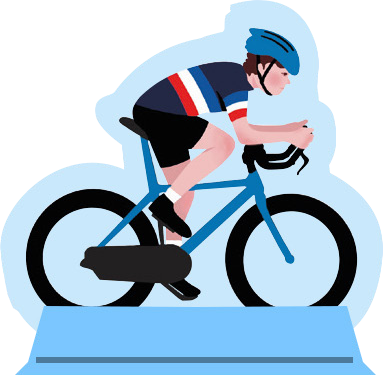
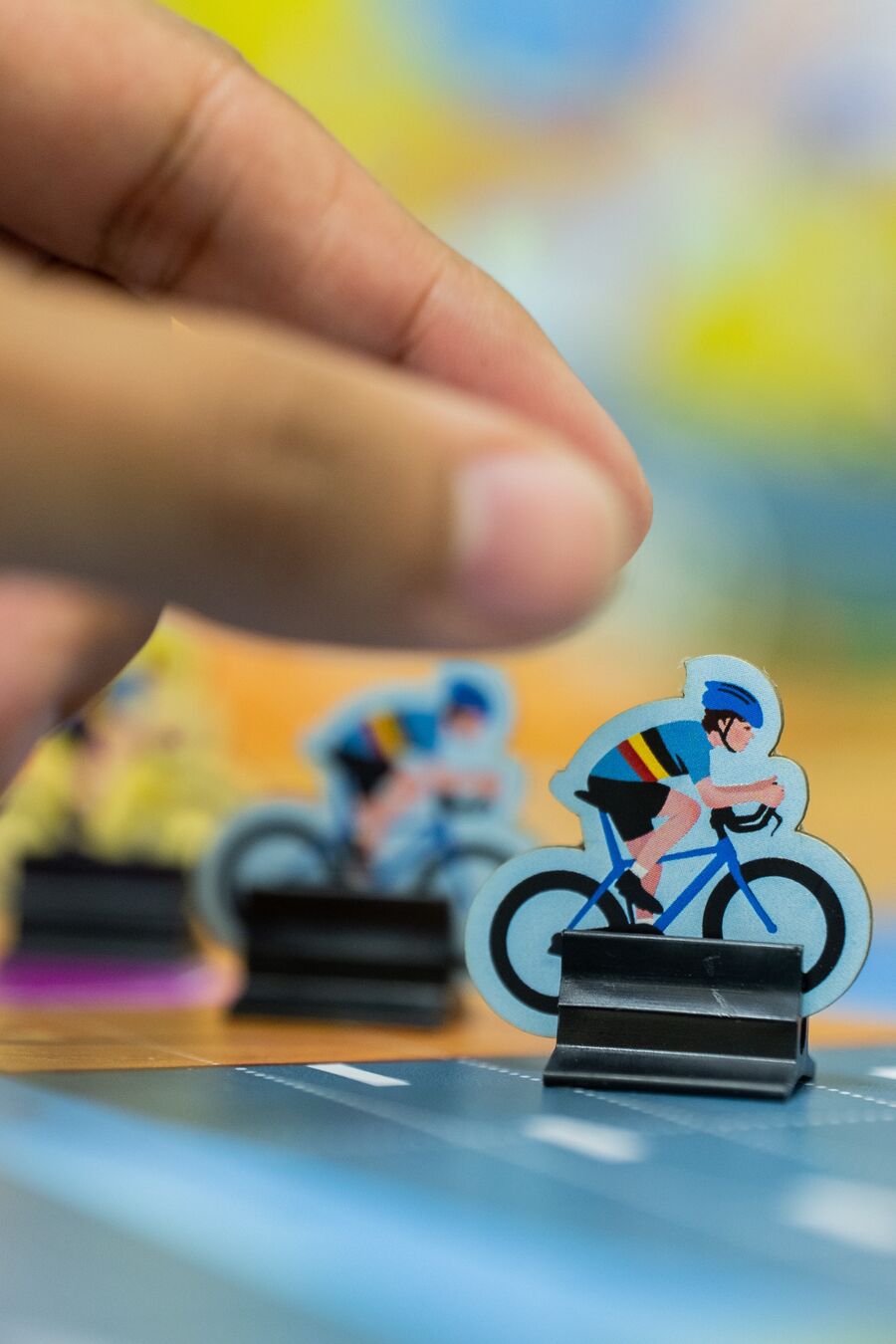
Blue base: a bottle 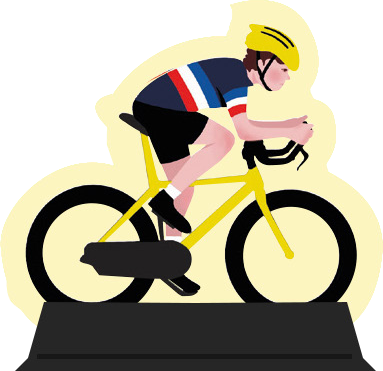
Black base: no bottle In Mind Cycling: The bottle
It shows on the base: blue, the rider has a bottle; black, he has none. A bottle is an attack of three extra squares, once only. Everyone can see who can still attack.
The rules, square by square
Each rider’s speed
Each rider’s speed
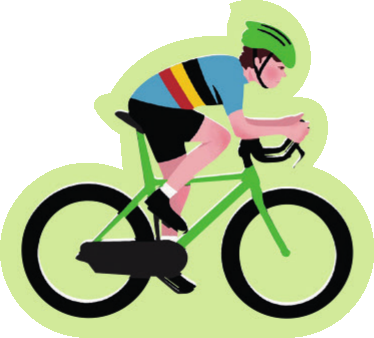
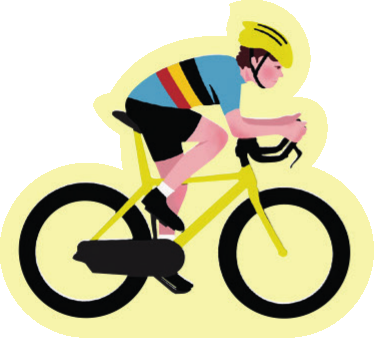
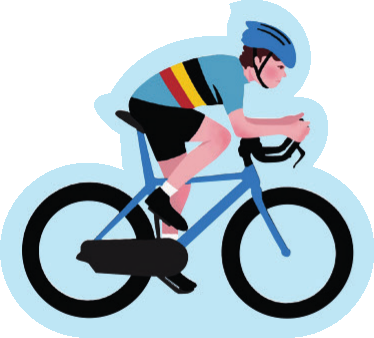
There are three types of rider, told apart by helmet colour: the sprinter (green), the climber (yellow) and the rouleur (blue), the team’s domestique. Each has a top speed, in squares, which depends on the section he is in when he moves.
Riders move straight ahead or diagonally, onto free squares, never sideways or backwards. You can move fewer squares than the maximum, but at least one if the road allows. Holding a rider back, to stay behind another or to keep out of the wind, is part of the game.
Maximum squares per turn Rider Flat Sprint Climb Sprinter, green helmet5 7 3 Rouleur, blue helmet7 5 5 Climber, yellow helmet5 3 7 The wind
The wind
In the basic game, the wind is a headwind. A rider with nobody on the square directly in front of him rides into the wind and loses one square that turn. A rider diagonally ahead gives no shelter.
Before each turn, a wind token goes in front of every exposed rider. Everyone can see who is about to pay.
In the expert version, players choose the wind direction, for example a three-quarter headwind from the left. Shelter is then taken diagonally, as in an echelon, and a rider in the wind can no longer take the wheel or the relay.
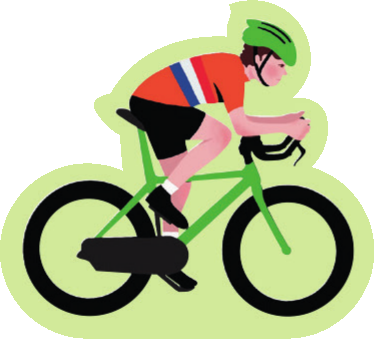
Two tokens: one for the rider alone at the front, one for the rider with only a rider diagonally ahead of him. The third, just behind, is sheltered. The wheel and the relay
The wheel and the relay
Two or more riders in single file, one behind the other, form a train. When a rider in the train has moved, the rider directly behind him may move straight away, before the rest of the bunch: take the wheel (onto the square just behind him) or take the relay (onto the square just in front of him). He may also decline and make his normal move.
In the train, a rider’s own speed no longer counts: he moves as far as the rider he follows. A climber limited to 5 squares on the flat can do 6 or 7 on a rouleur’s wheel. That is the heart of the game.
A few limits. The relay is only possible if the train has no more than three riders; from the fourth rider on, you can only take the wheel. On the climb, the sprinter can take neither the wheel nor the relay. And nobody can take the wheel or the relay of a rider who attacks or crosses the finish line.
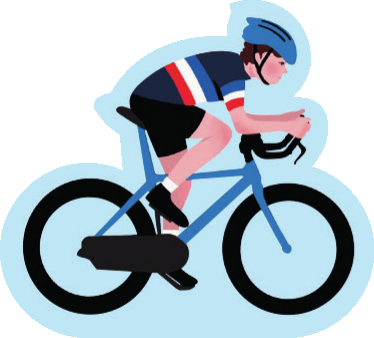
The opposing rouleur has moved 6 squares. The rider who was following him moves straight away: the wheel, just behind him, or the relay, just in front. The bottle
The bottle
Energy shows on the base: blue, the rider has a bottle; black, he has none. At the start, only the rouleurs have one. A rouleur can hand his bottle to a teammate directly behind him: they swap bases.
A bottle is an attack: three squares more than the normal move, once, and only in his speciality. The sprinter attacks in the sprint, the climber on the climb, the rouleur on the flat. Nobody can take an attacker’s wheel: the attack breaks the train.
The price: a rouleur without a bottle, whether he attacked or gave it away, has done his job as a domestique. He loses one square every turn and can no longer take the wheel or the relay, until he picks up a bottle at the feed zone, if the players have put one on the course. He is the only rider who can refuel.
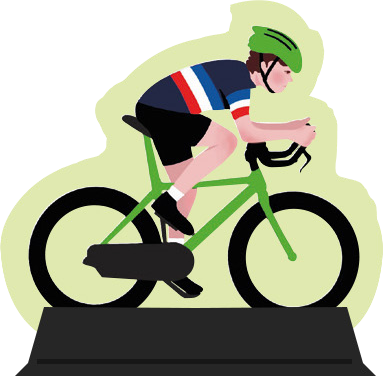
The rouleur, on a blue base, hands his bottle to the teammate just behind him: they swap bases. One can now attack, the other is tired. Who moves when
Who moves when
You do not play player by player but rider by rider, in race order: the rider at the front moves first, then the second, and so on. When two riders are level, the one on the left, facing the direction of the race, goes first. The only exception: in a train, a rider who takes the wheel or the relay moves straight after the rider he follows.
So before each turn, everything is on the table: each rider’s section, the wind, the possible trains, the bottles left. Nothing to roll, everything to read.
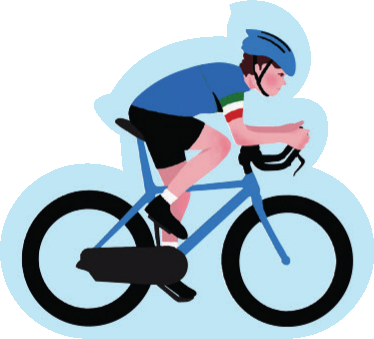
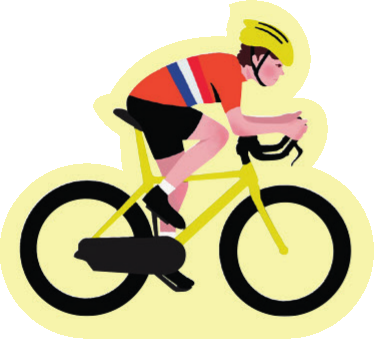
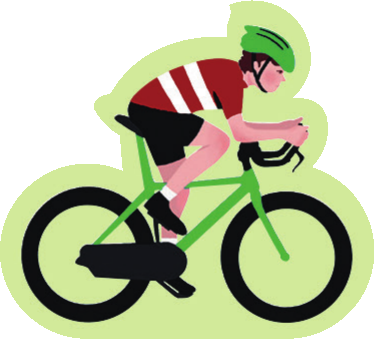
The rider furthest ahead moves first. When two are level, the one on the left, facing the race: 1 before 2, 4 before 5.
A race, not an abstract game
Without dice, a racing game can easily turn into a game of pawns. Here, every rule mirrors something riders go through on the road.
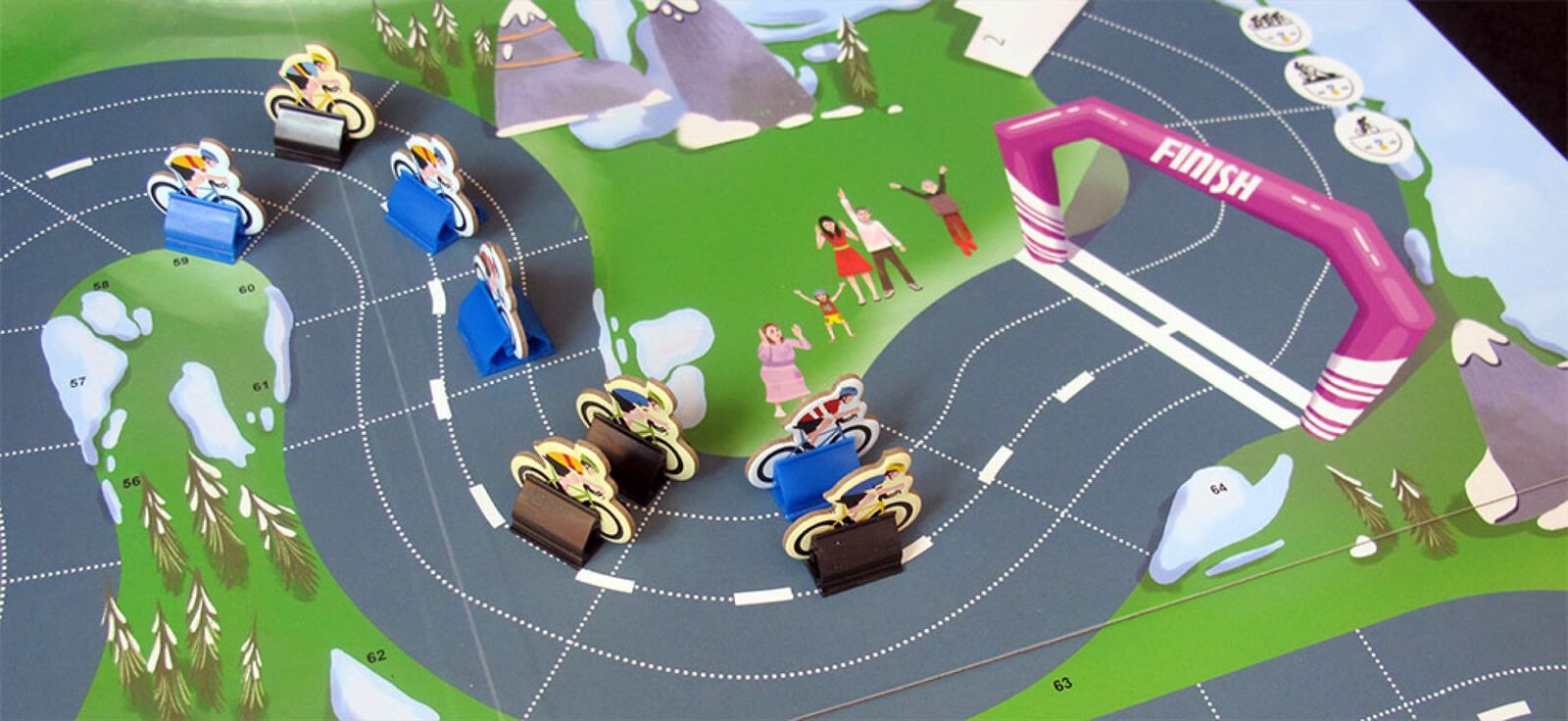
- In the game Alone in front, you lose a square.
- On the road The rider on the front takes the wind for everyone behind.
- In the game On a wheel, you move at the speed of the rider you follow.
- On the road Sheltered, a climber can hold a rouleur’s wheel on the flat.
- In the game Taking the relay means going to the front, and into the wind next turn.
- On the road In a breakaway, everyone takes a turn on the front, and pays for it.
- In the game A rouleur who gives away his bottle loses a square until he picks up a bottle at the feed zone.
- On the road The rouleur domestique sacrifices himself for his leader, but he is the only one who can refuel.
- In the game A rider can only attack in his speciality.
- On the road The sprinter waits for the sprint, the climber for the climb.
- In the game Nobody can take an attacker’s wheel.
- On the road An attack is meant to drop the group, not to tow it.
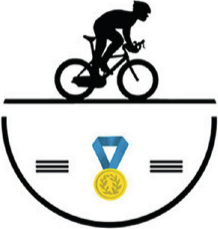
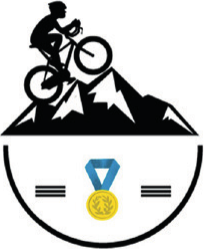
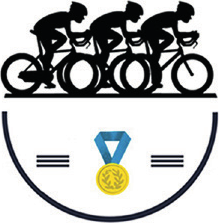
- In the game Four medals: winner, sprinter, climber, team. The trophy goes to the player who wins the most.
- On the road A team can race for the sprint or the climb rather than for the stage win.
Like chess? Almost
Philippe Scheinok compares his game to chess and draughts. The comparison holds on two points. On three others, it does not.
| Criterion | Chess, draughts | Mind Cycling |
|---|---|---|
| Luck | None | None: no dice, no cards |
| Hidden information | None | None: everything is on the board |
| Players | 2 | 2 to 6 |
| Board | Always the same | A course you build for each game |
| Who moves | Each player in turn | The rider in front first |
What is the same: nothing is hidden. You can see who still has a bottle (blue base), who is about to take the wind (the token in front of him), where the sprint starts. The only unknown is what the others will do.
What changes: with three players or more, you cannot calculate everything. The uncertainty comes from the other players’ choices, never from luck. And riding on an opponent’s wheel is allowed, and often clever: as long as he stays in front, he is working for you.
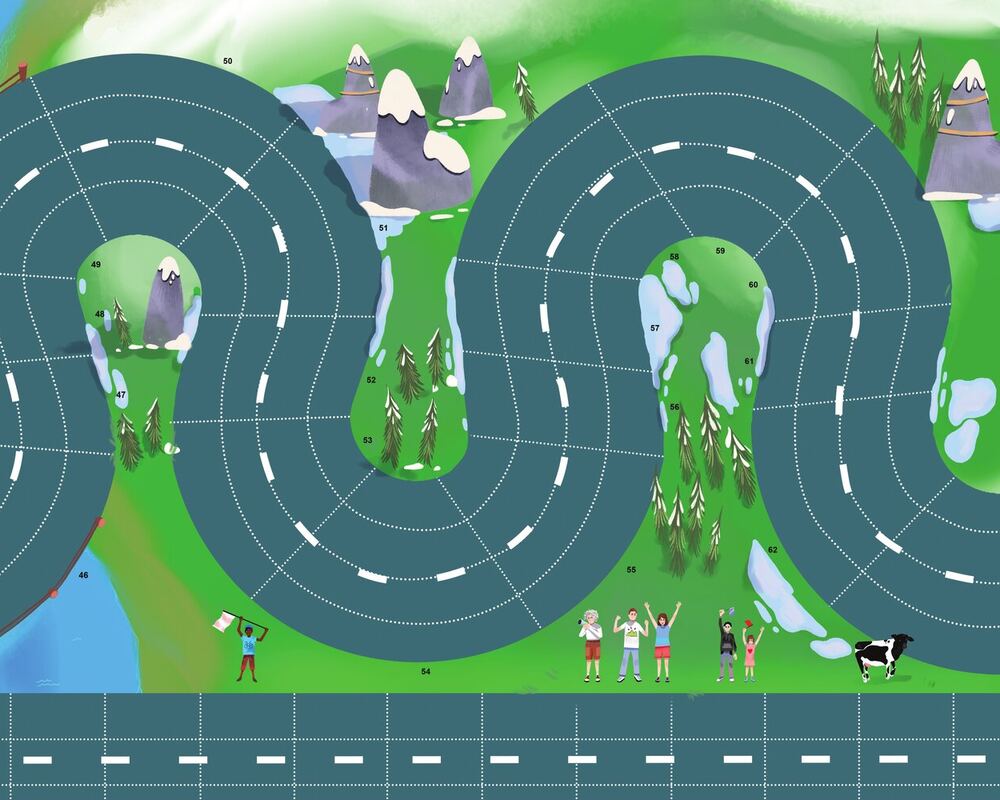
The course changes every game, too. You place the flat, sprint, climb and finish tabs wherever you like, and you can narrow the road with the six rocky mountains. No openings to learn by heart.
Finally, it is lighter: a game lasts 20 to 60 minutes. On Board Game Arena, the game’s page shows 0 out of 5 for luck and 2 out of 5 for complexity.
Made for you
What the box says
2 to 6 players
20 to 60 minutes
10+ years
- You like winning because you played well, and losing without being able to blame the dice.
- You enjoy games without luck, such as chess or draughts, and cycling means something to you.
- You follow racing and you know why a rider stays on a wheel until the last kilometre.
- You know nothing about cycling but you like to think: the rules are enough.
- There are 3 or 4 of you round the table, children included, from age 10. On BoardGameGeek, that is the player count the community recommends.
- You want a one-day race that fits in an evening: a game lasts 20 to 60 minutes.
What players hold against it
Mind Cycling has its harsh reviews on BoardGameGeek too, often from players who found it on their own, online, with nobody to explain it. Here are the criticisms that come up, and what the rules have to say.
The rulebook, as a PDFPDF, 3.9 MB
The right move is always obvious.
The right move is always obvious.
If you play the most obvious move, you will lose.
A few tactical tips to shine at Mind Cycling
As in every sport where strategy counts, there is no single way to win. It is up to you to find the tactics that best suit your style and your abilities! Even so, here are a few tips to optimise your chances of winning:
- Do not ride into the wind too early in the race.
- Do not take the relay of a faster rider too early.
- Position yourself cleverly: try to be in places where your opponents cannot take the relay from you.
- Try to form a group of 4 riders: it is often the ideal size for moving forward efficiently.
- Put two riders from your team in the same group of 4, one of them with a blue helmet: he can protect or support his teammate at the key moments.
- Favour the left-hand lane: it lets you go first on a tie.
It is monotonous.
It is monotonous.
Without dice, there is no twist out of nowhere. The tension comes from elsewhere: waiting for the right moment to attack, with a single bottle, knowing an opponent may be waiting for the same moment. If you need the thrill of luck, this game is not for you, and we would rather say so.
With four players or more, the board jams.
With four players or more, the board jams.
Blocking is part of the rules: with no free square in front of him, a rider cannot get through, and the rocky mountains are there precisely to narrow the road. It all depends on the number of riders. The author recommends 4 riders per team with 3 or 4 players, and 3 riders per team with 5 or 6 players: never more than 20 riders on the road.
It is an abstract game.
It is an abstract game.
Every rule matches something real in a race: shelter, the relay, the domestique who sacrifices himself, the attack in the right place. Further up, each rule is set against the real thing. The simplest way to judge is to play a move.
There is no stage race.
There is no stage race.
True: the rulebook covers a one-day race, with no general classification. But nothing stops you from adapting the rules to create your own grand tour. By changing the layout of the sections (flat, sprint, climb) from one stage to the next, you can work out the time gaps for the yellow jersey (each turn behind counting as one minute, and each square as ten seconds), while keeping count of the points for the green jersey and the best climber. The customisable white team lets you create a yellow jersey, a green jersey and a polka-dot jersey.
Online, the game is thinner.
Online, the game is thinner.
On Board Game Arena, the wind is always a headwind and the courses are preset: short, medium or long. The expert version, with a three-quarter wind, is only played at the table. For a first game online, take 3 or 4 players and the long course.
Judge for yourself
The honest thing is to try it. A move on the home page takes a minute, a game online about ten. And if you like it, the box is just below.
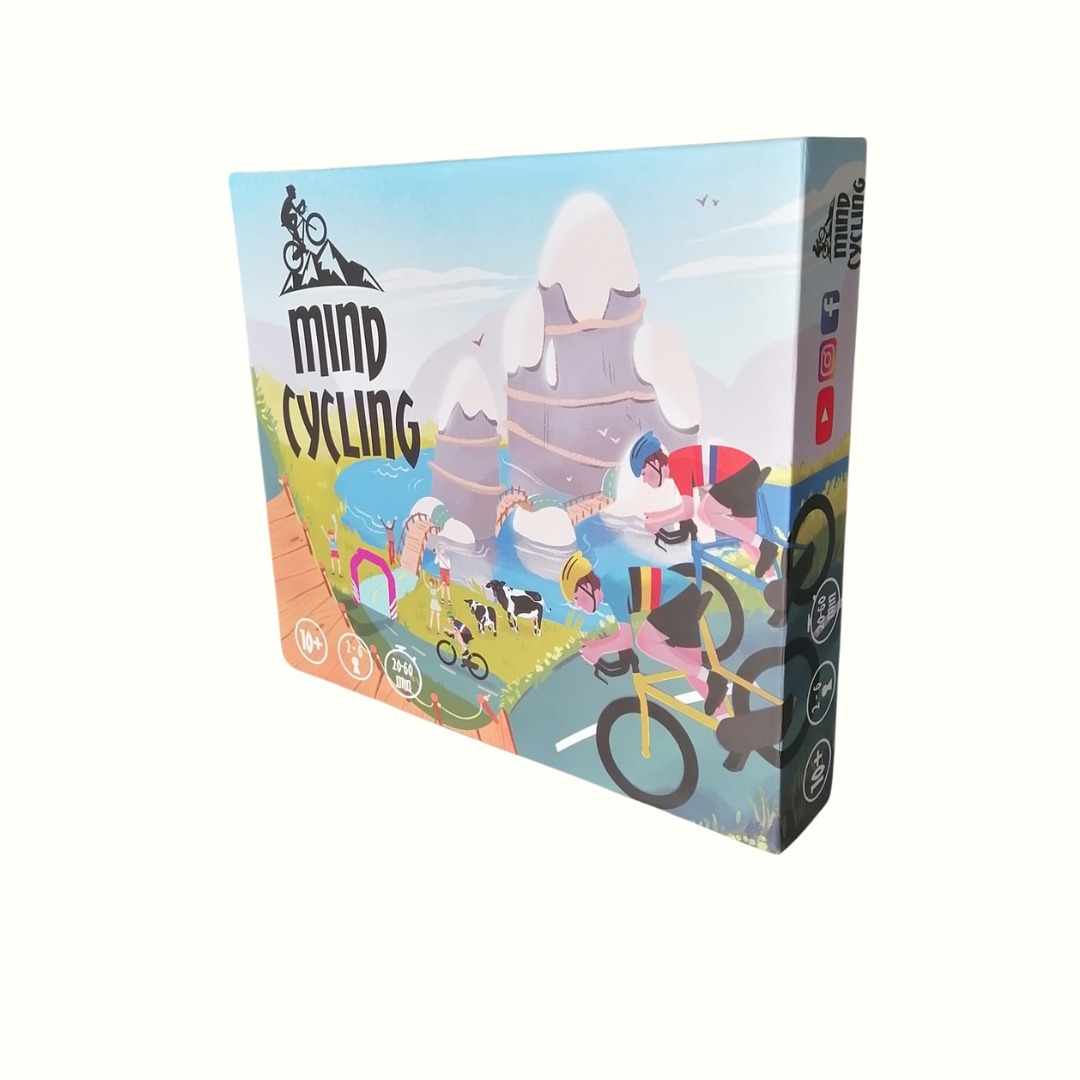
The box
Delivery, payment and returns
Delivery
To a parcel point
Free
in six countries, with  Mondial Relay.
 Belgium
 France
 Netherlands
- Luxembourg
 Spain
 Portugal
Home delivery
- Belgium€6
- France, Netherlands, Luxembourg€8
 Germanyno parcel point€8
- Spain, Portugal€10
 Italyno parcel point€10
- Rest of the European Unionno parcel point€12
 Switzerland,
 United Kingdomno parcel point€23
Shipped from Belgium.
Payment


Payment happens on Stripe’s or PayPal’s secure page. No card details go through this site.
Returns and guarantee
14 days
to change your mind after delivery, with the online withdrawal form.
Return postage is at your expense.
2 years
of legal guarantee of conformity.